Foundation problems in Brooklyn Park homes: clay soil & what to watch for
Why Brooklyn Park's clay and glacial soils stress home foundations, the warning signs buyers should watch for, and how an inspection catches water intrusion and movement early.
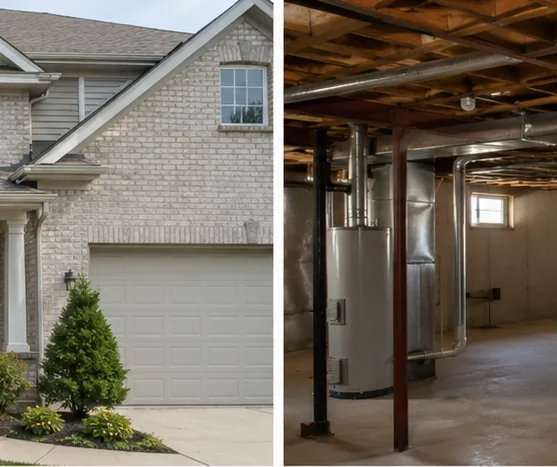
Brooklyn Park sits on glacial soils — heavy clay and loam — that hold water and shift with the seasons. Combined with Minnesota's freeze-thaw cycles and the city's wave of 1970s-to-1990s construction, this makes foundations one of the most important things to evaluate before you buy. Here is what is going on underground and what to watch for.
Why clay soil is hard on foundations
Clay soil expands when it absorbs water and contracts as it dries. Each spring, large volumes of snowmelt saturate the already moisture-retaining clay and push water toward foundations and into basements. Over many freeze-thaw cycles, that repeated swelling and shrinking stresses foundation walls and footings, and poor grading or drainage makes it worse.
Warning signs buyers should watch for
- Cracks in foundation walls, especially horizontal cracks or stair-step cracks in block, which can indicate pressure from saturated soil.
- Water staining, efflorescence, or active seepage in the basement, particularly along the base of walls.
- Sticking doors and windows or sloping floors, which can signal movement or settling.
- Grading that slopes toward the house or downspouts that dump water right at the foundation.
- A sump pump that runs constantly, or signs of past basement water like raised storage or replaced sections of flooring.
South end vs. north end
The older south-end ramblers and split-levels have had decades for soil movement and water to reveal foundation issues, and many also have original sewer laterals worth scoping. Newer north-end developments are not exempt — grading and drainage on newer lots, and settling on recently disturbed soil, are common findings. Either way, the foundation deserves a close look.
How an inspection helps
A 110-point inspection evaluates the foundation, grading, and basement for cracks, movement, and moisture, and documents everything with photos so you understand severity and can plan. For the specifics, see our defect pages on foundation cracks and water intrusion, basement moisture and seepage, and grading and drainage issues.
Buying a home with a basement you want checked properly? Get your free instant quote.
How we help
110-Point Home Inspection
A complete buyer's inspection of roof, structure, electrical, plumbing, HVAC and foundation, documented with photos.
Sewer Scope
Camera inspection of the main line to catch cracks, bellies, root intrusion and offsets before they become five-figure repairs.
Radon Testing
Short-term radon measurement during your inspection — essential across Minnesota's elevated radon zone.
Frequently asked questions
Why do Brooklyn Park homes have foundation problems?
Brooklyn Park sits on heavy clay and glacial soils that hold water and expand and contract with moisture. Each spring, snowmelt saturates the clay and pushes water toward foundations, and Minnesota's freeze-thaw cycles add repeated stress. Combined with grading and drainage issues, this makes foundation and basement problems common in the area.
What are the warning signs of a foundation problem?
Watch for horizontal or stair-step cracks in foundation walls, water staining or active seepage in the basement, sticking doors and windows, sloping floors, grading that slopes toward the house, and a sump pump that runs constantly. A home inspection documents these with photos so you understand the severity.
Do newer Brooklyn Park homes have foundation issues too?
They can. Newer north-end developments often show grading and drainage problems and settling on recently disturbed soil. Newer does not mean problem-free, so the foundation and basement still deserve a close look during the inspection.
Can a home inspection detect foundation problems?
Yes. A 110-point inspection evaluates the foundation, grading, and basement for cracks, movement, and moisture intrusion, and documents findings with photos. If something serious is found, the report helps you plan repairs or renegotiate before you buy.