Ice dams & attic ventilation
How poor attic ventilation and insulation create the ice dams that damage Minnesota roofs every winter.
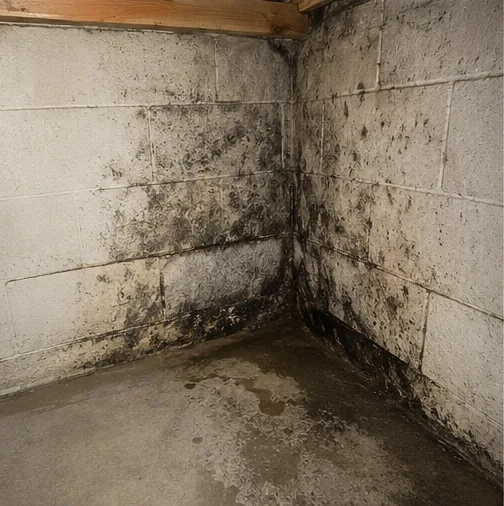
How poor attic ventilation and insulation create the ice dams that damage Minnesota roofs every winter. In the northwest Twin Cities metro, this is among the issues we document most, and it shows up across a wide range of home ages and neighborhoods.
Why it happens here
Minnesota's freeze-thaw cycles, soil conditions, and the era a home was built in all drive this defect. How poor attic ventilation and insulation create the ice dams that damage Minnesota roofs every winter. Local factors — clay soils in older suburbs, sand plains in Anoka County, and riverfront grading — change how severe it gets from one city to the next.
What we look for
During a 110-point inspection we document the condition with photos, note the likely cause, and explain whether it is a safety issue, a near-term repair, or routine maintenance. We never inflate findings; the goal is an accurate, prioritized picture you can act on.
What it means for buyers
Most findings of this kind are manageable once you understand the scope. The report gives you the leverage to negotiate, plan repairs, or simply budget — instead of being surprised after closing.
Ready to move forward? Get a quote and book online.
How we help
110-Point Home Inspection
A complete buyer's inspection of roof, structure, electrical, plumbing, HVAC and foundation, docume…
Sewer Scope
Camera inspection of the main line to catch cracks, bellies, root intrusion and offsets before they…
Radon Testing
Short-term radon measurement during your inspection — essential across Minnesota's elevated radon z…
Frequently asked questions
Is ice dams & attic ventilation a deal-breaker?
Rarely on its own. The report explains severity so you can decide whether to negotiate, repair, or proceed. Knowing the true condition before closing is what protects you.
Can you confirm this in my inspection?
Yes. This is part of a standard 110-point inspection, documented with photos and a plain-language explanation in your 24-hour report.